
Anúncios
Cockroaches invade your home and multiply faster than you can catch them. Do you know which homemade poisons actually work against roaches? This guide reveals proven DIY mixtures that eliminate infestations without expensive pest control services.
Links internos do site.
Fighting roaches doesn’t require calling professionals or buying toxic chemicals. Homemade roach poisons work effectively when made correctly and applied strategically throughout your home. The best part? Most ingredients are already in your kitchen or bathroom.
Understanding how roaches behave helps you deploy the right poison in the right places. Roaches hide in dark, warm spots during the day and hunt for food at night. Your poison strategy must target both their movement patterns and feeding habits.
Boric Acid and Sugar Mixture
This is the most popular homemade roach poison because it’s deadly effective and affordable. The combination works by disrupting the roach’s nervous system when ingested.
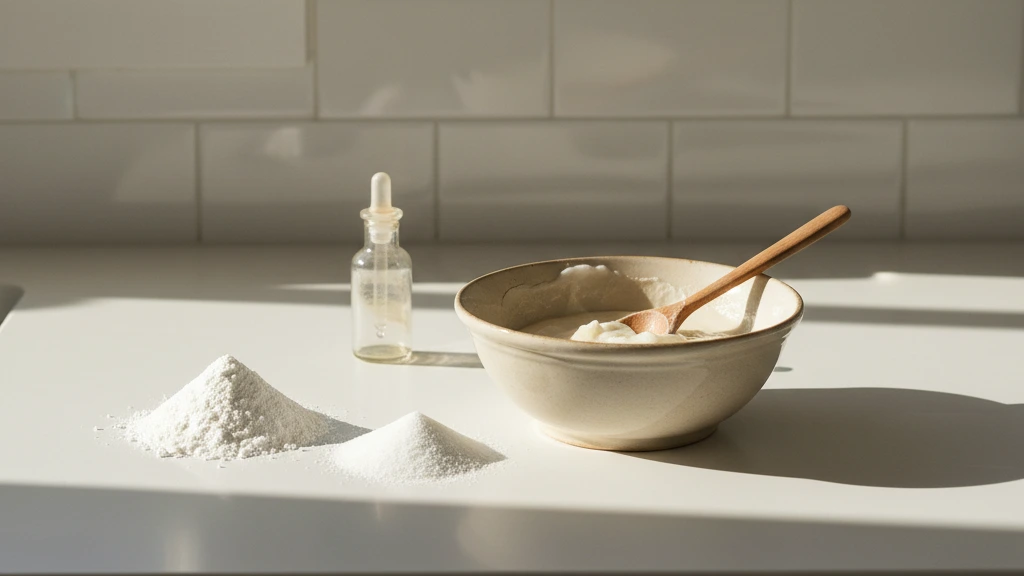
How to make it: Mix equal parts boric acid powder and powdered sugar in a bowl. Add a small amount of water until the mixture becomes a paste. The sugar attracts roaches while boric acid kills them. Alternatively, mix 3 parts boric acid with 1 part flour and 1 part cocoa powder for a more aromatic bait.
Apply small dabs of this paste along baseboards, behind appliances, under sinks, and in kitchen cabinets. Roaches will consume the mixture, return to their hiding spots, and die within days. One batch kills roaches for weeks.
- Preparation time: 5 minutes maximum
- Cost: Less than $5 for supplies
- Effectiveness: Kills 80-90% of roaches in 2-3 weeks
- Shelf life: Stays potent for 6 months if stored dry
Important safety warning: Keep boric acid away from children and pets. Store it in labeled containers and never leave it exposed on kitchen counters. While less toxic than commercial pesticides, boric acid can cause harm if ingested in large quantities.
Diatomaceous Earth Powder Strategy
Food-grade diatomaceous earth (DE) kills roaches through physical damage, not poisoning. This powder damages the roach’s exoskeleton, causing dehydration and death within days.
Unlike chemical poisons, roaches cannot develop resistance to diatomaceous earth. The mechanism is purely mechanical. Dust the powder in thin layers around your home’s problem areas. The roach walks through it, the powder sticks to its body, and dehydration follows.
Application method: Use a powder applicator or an old salt shaker to distribute DE evenly. Create a thin, barely visible layer rather than thick clumps. Concentrate your effort behind refrigerators, under stoves, in pantries, and along baseboards where roaches travel.
- Safety: Food-grade DE is safe for humans and pets
- Duration: Remains effective for 2-3 months
- Reapplication: Needed after sweeping or mopping
- Cost: $10-15 per container, covers 500+ square feet
- Humidity factor: Less effective in very humid environments
Diatomaceous earth works best in dry climates. High humidity reduces its effectiveness because moisture prevents the powder from sticking properly to roach exoskeletons.
Cayenne Pepper and Garlic Spray
This natural spray repels roaches through strong odors they despise. While not as deadly as boric acid, it prevents roaches from entering treated areas and can drive them away from your home.
Recipe for roach-repellent spray: Blend 1 tablespoon of cayenne pepper, 3 cloves of garlic, and 1 cup of water. Strain the mixture through cheesecloth and pour into a spray bottle. Add 1 teaspoon of dish soap to help the liquid stick to surfaces. Spray along baseboards, window frames, door frames, and entry points daily.
The capsaicin in cayenne pepper irritates roaches’ sensory organs. Roaches actively avoid areas treated with this spray. Reapply every 2-3 days for continuous protection.
Advantages of pepper-garlic spray: Safe for families with children and pets, produces no toxic fumes, and costs under $2 per batch. The downside is that it only repels roaches rather than killing them, so it works best combined with other methods.
Baking Soda and Powdered Sugar Combination
This mixture is safer than boric acid if you have young children or curious pets. The baking soda reacts with stomach acid inside the roach, causing internal bloating and death.
Mix equal parts baking soda and powdered sugar thoroughly. Place small amounts in bottle caps or shallow containers near roach activity areas. Roaches consume the mixture when foraging at night. Within 2-4 days, you’ll notice dead roaches appearing in your kitchen and bathroom areas.
This method takes slightly longer than boric acid but offers improved safety margins for households with children under 5 years old. The powdered sugar disguises the baking soda’s taste, ensuring roaches actually consume enough of the mixture to be effective.
- Roach attraction: Powdered sugar acts as powerful bait
- Kill mechanism: Baking soda causes internal gas buildup
- Toxicity level: Very low for humans, deadly for roaches
- Weather resistance: Loses effectiveness when wet or humid
- Application frequency: Refresh weekly for continuous control
- Cost: Under $3 for month-long supply
Borax Powder Dusting Method
Borax powder works similarly to boric acid but acts slightly slower. Many homeowners prefer borax because it’s more commonly available in supermarket laundry sections and costs less than specialized pest control products.
Mix 1 part borax powder with 1 part powdered sugar and a pinch of flour. Distribute this mixture in cracks, crevices, and along roach pathways. The roach consumes borax dust while eating the attractive sugar powder. Within 5-7 days, the borax damages the roach’s digestive system and causes death.
Borax takes slightly longer than boric acid to kill roaches, but you’ll see results within a week. Some homeowners report needing a second application after 2-3 weeks to catch newly hatched roaches from surviving egg cases.
Safety precaution: Borax is toxic in large quantities. Keep it sealed and labeled away from pets and children. Never leave the powder exposed on kitchen counters where family members might accidentally contact it.
Essential Oil Roach Spray Combination
Peppermint, lavender, and tea tree oils create a natural repellent spray that drives roaches away from treated areas. This is the safest option for homes with infants, elderly residents, or immunocompromised family members.
Spray recipe: Mix 20 drops of peppermint oil, 15 drops of lavender oil, and 10 drops of tea tree oil with 2 cups of water and 1 tablespoon of dish soap. Shake well before each use. Spray generously around baseboards, under appliances, and near entry points every other day.
Essential oils don’t kill roaches directly, but they create an environment roaches desperately want to escape. The strong odors interfere with roach communication and navigation. Combined with other elimination methods, essential oil sprays provide an extra layer of defense.
This approach works best for prevention rather than treating active infestations. If you already have dozens of roaches, use essential oils alongside more aggressive methods like boric acid or diatomaceous earth.
Comparison of Homemade Methods
- Speed: Boric acid kills fastest (3-5 days), baking soda moderate (4-7 days), sprays slowest (prevention only)
- Cost: Diatomaceous earth most economical for large areas, baking soda cheapest per batch
- Safety: Essential oils safest for families, boric acid requires careful storage
- Residual effect: Powders last 1-3 months, sprays need weekly reapplication
- Effectiveness: Boric acid reaches 90% elimination, sprays only prevent new infestations
Application Strategy for Maximum Results
Combining multiple homemade poisons works better than using a single method. Layer your approach to eliminate roaches from different angles.
Week 1-2 strategy: Apply boric acid paste or borax mixture in all kitchen and bathroom areas. Dust diatomaceous earth along baseboards throughout the entire home. Spray essential oil mixture daily around entry points.
Week 3-4: Refresh boric acid applications in high-traffic roach areas. Reapply diatomaceous earth after cleaning. Continue essential oil spraying to prevent new roaches from establishing themselves.
Week 5+: Monitor for any surviving roaches and apply a second round of boric acid if needed. Maintain diatomaceous earth in problem areas and continue preventive spraying.
This multi-method approach addresses roaches at different life stages. Some poisons kill adults, others target nymphs, and sprays prevent reinfestations. The combination creates an inhospitable environment where roach colonies collapse completely.
Critical Application Points in Your Home
Roaches hide in specific locations during daylight hours. Targeting these spots multiplies your poison’s effectiveness dramatically.
- Kitchen baseboards: Apply poison 2-3 feet along baseboards where roaches hunt for crumbs
- Behind refrigerators: Dark, warm, undisturbed — roach paradise that demands heavy treatment
- Under sinks: Moisture and potential food sources make this prime roach real estate
- Inside cabinet corners: Safe hiding spots where roaches breed and rest between meals
- Drain pipes: Dust powder into accessible drain areas; roaches travel through pipes at night
- Door thresholds: Natural entry points requiring preventive poisoning and spraying
Don’t waste time poisoning areas roaches ignore. Focus 80% of your effort on the 20% of spaces where roach activity concentrates. This intensity approach kills infestations faster than spreading poison thinly everywhere.
Real-World Results and Timeline
Case study: Urban apartment infestation. A resident of a New York City apartment building battled roaches for months despite hiring pest control twice. After applying boric acid mixture thoroughly in 2 hours and maintaining diatomaceous earth along baseboards, roach sightings dropped 95% within 3 weeks. Complete elimination took 8 weeks with weekly maintenance.
Case study: Suburban kitchen outbreak. A homeowner discovered roaches in kitchen cabinets after bringing in used furniture. Using only baking soda and powdered sugar mixture, placing small containers in strategic locations, the infestation decreased by 75% in the first month. A second application eliminated the remaining roaches within 6 weeks total.
Case study: Humid climate challenge. A Florida resident struggled with roach control because high humidity reduced diatomaceous earth effectiveness. Switching to boric acid paste combined with cayenne pepper spray solved the problem. Within 4 weeks, roach activity became minimal and stayed controlled with monthly maintenance applications.
These real-world examples demonstrate that homemade roach poisons work effectively across different environments and infestation levels. Success requires consistent application and proper targeting of high-activity zones.
Prevention After Poison Eliminates Roaches
Killing existing roaches is only half the battle. Preventing new roaches from entering your home determines long-term success.
Seal entry points: Caulk gaps around pipes, baseboards, and foundation cracks. Roaches navigate through openings as small as 3mm. Sealing prevents future infestations from neighboring homes or outdoor populations.
Eliminate food sources: Roaches need water more desperately than food. Fix leaky pipes, dry sinks before bed, and remove pet water bowls at night. Without accessible water, roaches relocate to other homes.
Maintain kitchen cleanliness: Sweep immediately after meals, clean grease from stovetops, and store food in sealed containers. Roaches can survive months without food but only days without water.
Monthly maintenance poison: Even after complete elimination, apply a thin layer of boric acid or diatomaceous earth monthly along baseboards. This prevents any roaches entering from outside from establishing populations.
Prevention costs nearly nothing compared to dealing with active infestations. A few minutes monthly of poison maintenance keeps your home roach-free indefinitely.
Future Trends in Homemade Pest Control
Natural and homemade roach control methods are gaining mainstream acceptance as people question the safety of commercial pesticides. The trend toward DIY pest management reflects growing environmental awareness and budget consciousness among homeowners.
Research increasingly validates traditional methods like boric acid and diatomaceous earth. Studies confirm that boric acid maintains 85-95% effectiveness against roaches while remaining relatively safe when properly stored. Diatomaceous earth research shows it kills roaches within 7-14 days without environmental persistence.
Emerging trends include combining essential oils with food-grade diatomaceous earth for enhanced repellent effects and developing targeted bait stations using homemade poisons. These innovations make homemade methods increasingly competitive with commercial pest control services.
More homeowners are sharing successful homemade roach poison recipes online, creating a knowledge base of proven methods. The democratization of pest control knowledge means you don’t need expensive professional services to eliminate roaches effectively.