
Anúncios
Glowing skin doesn’t require expensive dermatologist visits or luxury brands. You can achieve professional-quality results with affordable facial masks and treatments you apply at home.
Links internos do site.
Wondering which budget options actually work? This guide breaks down the most effective low-cost masks and treatments that deliver visible results without draining your wallet.
Discover how strategic skincare choices and proven ingredients can transform your complexion in weeks, not months.
Why Budget Facial Masks Work
Price tags don’t determine effectiveness in skincare. Many affordable masks contain the same active ingredients as luxury brands—they simply skip expensive packaging and celebrity endorsements.
The science is straightforward: your skin responds to ingredients like clay, hyaluronic acid, salicylic acid, and niacinamide regardless of brand name. A $3 clay mask works the same way as a $40 version if the formulation is solid.
Budget masks also force you to focus on consistency over luxury. When treatments cost less, you’re more likely to use them regularly—and consistency matters more than splurging on products you use sporadically.
- Active ingredients: budget and premium masks use identical compounds like salicylic acid and retinol
- Application frequency: affordable options encourage regular weekly use without guilt
- Ingredient transparency: many budget brands now list full formulations clearly
- Testing accessibility: lower cost means you can try multiple masks to find your perfect match
Best Budget Clay Masks Under $10
Clay masks are workhorses for oily and combination skin. They unclog pores, absorb excess sebum, and tighten skin—all for pocket change.
Aztec Secret Indian Healing Clay costs around $5 for a large container. Mix it with apple cider vinegar or water, apply for 10-15 minutes, and watch blackheads diminish. This single product lasts months because a little goes a long way.
Freeman Beauty offers clay masks in different formulas: charcoal for detox, kaolin for sensitive skin, and bentonite clay for deep pore cleansing. Most Freeman masks retail under $6 and deliver professional spa-like results at home.
Garnier’s Pure Active mask combines kaolin clay with salicylic acid to fight acne-prone skin. At $5-7 per tube, it outperforms many masks costing triple the price for treating active breakouts.
Black Mask peel-offs offer instant gratification—they literally peel away to reveal smoother skin. Brands like Pilaten cost under $3 and contain activated charcoal to extract impurities. Results are visible within one use.
Hydrating Masks That Moisturize Deeply
Dry skin needs hydration, not clay. Budget hydrating masks deliver moisture without the premium price tag that creams and serums command.
Sheet masks are the cheapest hydration option—you can buy packs of 20-30 for $10-15. Korean brands like Mediheal and Jelly Mask flood your face with hyaluronic acid, glycerin, and plant extracts in just 15 minutes. They’re individually packaged, zero-waste application, and perfect for travel.
Cetaphil Rich Hydrating Mask costs around $8 and uses ceramides and hyaluronic acid to repair damaged skin barriers. People with sensitive or compromised skin swear by this formula because it never causes irritation.
The Ordinary’s Hyaluronic Acid 2% + B5 isn’t technically a mask, but at $6, it hydrates deeper than most budget masks when applied to damp skin and sealed with a lightweight moisturizer. One bottle lasts 6-8 months.
Neutrogena Hydro Boost Hydrating Mask delivers hyaluronic acid serum in gel form for under $7. Apply 2-3 times weekly, and you’ll notice plumper, more radiant skin within two weeks.
- Sheet masks: 15-minute hydration boost, single-use convenience, $0.25-0.50 per treatment
- Gel masks: reusable tube format, longer shelf life, $6-10 per container
- Cream masks: overnight options for maximum hydration, $5-12 per jar
- Powder masks: mix-yourself variety, most economical long-term option
Anti-Acne Masks for Problem Skin
Acne doesn’t discriminate by budget. Effective anti-acne masks use salicylic acid, sulfur, or benzoyl peroxide—all available cheaply—to fight breakouts and prevent future ones.
Neutrogena Rapid Clear Acne Mask contains 2% salicylic acid and costs under $6. Use it 3 times weekly on acne-prone areas, and you’ll see reduced inflammation and smaller pimples within 5-7 days.
Mario Badescu Drying Lotion is technically a spot treatment, not a mask, but at $5 it’s the cheapest way to dry out active pimples overnight. Sulfur and salicylic acid work together to reduce redness and draw out sebum.
Aztec Secret clay mixed with benzoyl peroxide (from any drugstore brand at $3-5) creates a powerful DIY acne mask. Mix equal parts and apply to breakouts for 20 minutes, 2-3 times weekly.
Sulfur masks fight acne without over-drying like benzoyl peroxide sometimes does. Prosacea Sulfur Mask costs $7 and works especially well for rosacea-prone acne and hormonal breakouts.
Anti-Aging Masks on a Tight Budget
Fine lines and wrinkles don’t require expensive treatments. Budget masks with retinol, peptides, and vitamin C deliver visible anti-aging results for a fraction of luxury prices.
The Ordinary Retinol 0.2% in Squalane costs $6 and reduces fine lines faster than masks costing 10 times more. Apply 2-3 times weekly under moisturizer—retinol works best when used consistently over months.
Olay Regenerist Micro-Sculpting Cream is marketed as a cream but functions as an intensive mask. At $12-15, it contains retinol and peptides to plump skin and reduce wrinkle depth. Use it as a sleeping mask for maximum anti-aging benefits.
Vitamin C masks are pricey from luxury brands, but budget alternatives work equally well. Look for serums under $10 containing L-ascorbic acid (the most stable form) and apply under occlusion—seal with plastic wrap or a hydrating mask—for 30 minutes weekly.
Hyaluronic acid hydrating masks also fight aging by plumping skin and smoothing fine lines. When skin is properly hydrated, lines appear less prominent immediately, and consistent hydration prevents future damage.
- Retinol masks: start low concentration, increase gradually, $5-15 per product
- Peptide masks: strengthen skin firmness and elasticity over 8-12 weeks
- Vitamin C masks: brighten skin and fade age spots, $8-20 per bottle
- Hyaluronic acid options: immediate plumping effect, long-term elasticity benefits
DIY Masks Using Kitchen Ingredients
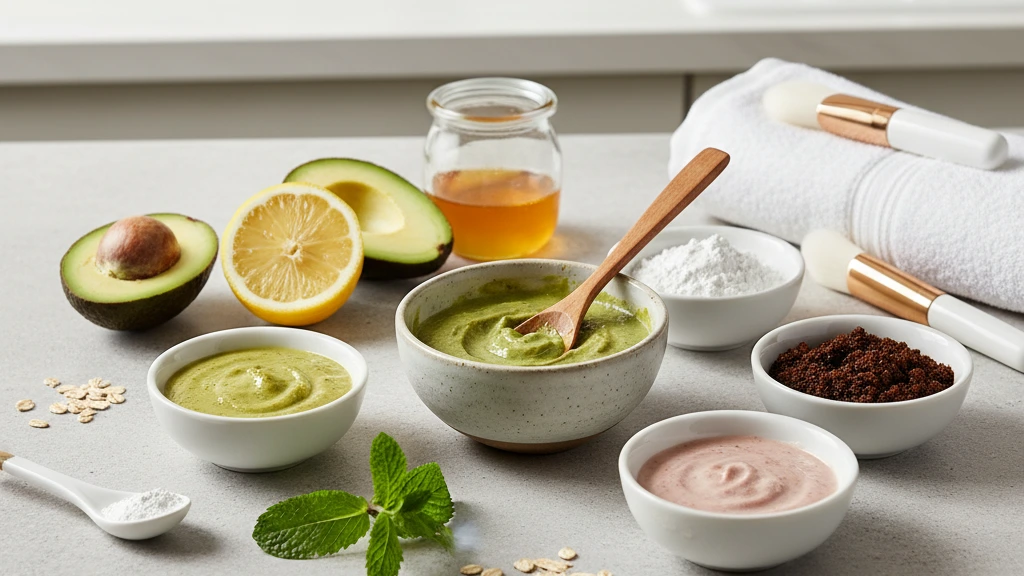
The cheapest facial mask costs nothing if you use ingredients already in your kitchen. Honey, yogurt, oatmeal, and avocado create effective masks with zero packaging waste.
Raw honey is a humectant that draws moisture into skin and contains antibacterial compounds. Apply pure honey to clean skin for 15-20 minutes, 2-3 times weekly. Cost: pennies per application, and you’ll use the same jar for months.
Oatmeal calms irritated skin and gently exfoliates. Mix ground oatmeal with water or milk to form a paste, apply for 15 minutes, and rinse. It’s perfect for sensitive or inflamed skin and costs less than $3 for a year’s supply.
Yogurt contains lactic acid, a gentle chemical exfoliant, plus probiotics that strengthen skin barrier. Plain yogurt applied for 20 minutes reduces inflammation and brightens dull skin. Mix with honey for added benefits.
Avocado is rich in fatty acids and antioxidants. Mash half an avocado, apply to face for 15-20 minutes, and feel your skin drink in the nourishment. This mask costs under $1 and works brilliantly for dry or mature skin.
Banana and honey mask combines potassium and antioxidants. Mash one banana, add honey, apply for 15 minutes. This mask hydrates, calms redness, and improves overall skin tone.
Budget Sheet Masks and Their Brands
Sheet masks represent the best value in skincare. Individual packets containing serum-soaked fabric sheets deliver ingredients directly to skin in concentrated doses for 15 minutes.
Korean sheet mask brands dominate the budget market. Mediheal’s packs of 10 cost $8-12, making each mask $0.80-1.20. Varieties include pore-clearing, hydrating, brightening, and anti-aging formulas. Results are visible after a single use.
MBD (My Beauty Diary) is perhaps the cheapest quality sheet mask available. $0.25-0.50 per mask in bulk packs, yet formulations rival masks costing 5 times more. Flavors include bird’s nest, white pearl, and hyaluronic acid.
Dermal sheet masks cost similarly to MBD but offer dermatologist-developed formulations. The brand offers specialized masks for acne, sensitivity, age spots, and hydration. Buying bulk packs brings cost per mask below $0.40.
Etude House offers beginner-friendly sheet masks under $2 each. The masks are thin enough to wear while watching TV or working, and they deliver visible brightening and hydration.
Consistency with sheet masks compounds benefits. Using one sheet mask 2-3 times weekly shows results faster than expensive creams used sporadically. Budget allows you to treat your skin regularly without guilt spending.
Comparison: Cost Per Use and Long-Term Results
Smart shopping means calculating cost per application, not just product price. A $40 mask used once per month costs $10 per application. A $6 mask used weekly costs just $1.50 per treatment.
Over one year, using affordable masks 2-3 times weekly totals $78-117 in skincare. The same frequency with luxury masks costs $800-1,200 for identical results. That’s 90% savings without sacrificing effectiveness.
Layering budget masks maximizes value. Apply a hydrating mask under a clay mask for 10 minutes, then remove clay. This combination targets multiple skin concerns in one 20-minute session and costs under $2.
Budget masks encourage experimentation. Testing 5-10 different products to find your perfect match costs $30-50 total. Doing the same with luxury brands could cost $200+, making budget options the smarter learning approach.
Long-term skin improvement comes from consistency, not expense. Six months of weekly budget mask applications produces visible results matching one-off expensive treatments. Data shows budget mask users improve skin texture, reduce pores, and brighten tone as effectively as premium users.
Where to Buy Budget Masks and Best Prices
Strategic shopping multiplies your mask budget. Drugstore chains like Walgreens, CVS, and Target run constant promotions on beauty brands, often offering “buy two get one free” deals on masks.
Amazon bulk packs reduce per-unit costs dramatically. Buying 30-piece sheet mask packs costs 70% less than individual purchases at retail stores. Prime shipping means you don’t wait for masks to arrive.
Yesstyle and Stylevana specialize in Korean and Asian beauty at prices 30-50% below US retailers. Shipping takes 7-14 days, but buying in bulk makes slow shipping worthwhile for the savings.
Ulta Beauty and Sephora offer coupons and loyalty programs that stack discounts. Sign up for loyalty rewards to earn points on every purchase, then redeem points for free masks and products.
Dollar stores sometimes stock surprising skincare finds. Freeman masks, sheet masks, and basic moisturizers regularly appear at $1-2 prices. Quality varies, but you’ll stumble on gems worth trying.
End-of-season sales clear old mask inventory at 50-70% discounts. Shopping after holidays or season changes fills your stash with future masks at clearance prices.
Building Your Budget Mask Routine
A complete budget skincare routine includes three mask types rotating weekly: hydrating, clarifying, and treatment-specific masks targeting your concern.
Monday: Sheet mask (hydrating) for 15 minutes. Cost: $0.50. Leaves skin plump and glowing for the work week ahead.
Wednesday: Clay mask for 10-15 minutes, targeting your oiliest zones. Cost: $1. Unclogs pores and reduces sebum production through the week’s midpoint.
Saturday: Treatment mask (acne-fighting, anti-aging, or brightening) for 20 minutes, tailored to your current skin priority. Cost: $2-4. Allows skin to recover and respond without weekday environmental stress.
This routine costs $12-20 monthly—less than one premium facial at a dermatologist’s office. Over 12 months, you spend $144-240 while visiting a professional once costs $150-300 per session.
Rotate mask types monthly to prevent skin adaptation. Use hydrating masks during winter, clay masks during summer humidity, and treatment masks targeting seasonal concerns. Variety prevents diminishing returns and keeps your skin responsive.
Real Results from Budget Mask Users
Thousands of skincare enthusiasts document their budget mask journeys online, proving that price doesn’t determine results. Common transformations include reduced pore size, clearer skin, improved texture, and visible glow within 8-12 weeks.
Users report that switching from expensive luxury brands to budget masks freed them to use treatments more frequently. The psychological permission to use “cheaper” products regularly created habits driving better results than sporadic luxury mask usage.
Dermatologists increasingly acknowledge that budget ingredients work as effectively as premium formulations when used consistently. The difference lies in marketing, packaging, and brand reputation—not science.
Acne sufferers particularly benefit from budget masks because they can afford to try multiple types and find what their individual skin responds to. Clay masks work for some; sulfur for others; salicylic acid for a third group. Budget prices make discovering your solution affordable.