
Anúncios
Cockroaches invade your home and refuse to leave. Have you considered using natural ingredients instead of toxic chemicals? This guide reveals proven DIY cockroach killers you can make at home today.
Links internos do site.
Commercial pesticides work fast, but they expose your family and pets to harmful toxins. Natural alternatives are safer, cheaper, and surprisingly effective when applied correctly.
The best part? Most ingredients are already in your kitchen or pantry right now.
Why Natural Cockroach Control Works
Cockroaches have survived for millions of years by adapting quickly. However, they cannot resist certain natural substances that disrupt their nervous systems or dehydrate them on contact.
Diatomaceous earth is a microscopic powder that cuts through the insect’s exoskeleton, causing fatal dehydration. Unlike poison, roaches cannot build immunity to physical damage.
Essential oils like peppermint and eucalyptus contain compounds that repel and confuse cockroaches. Many species rely on pheromone trails to communicate—natural oils mask these signals and disrupt their colony organization.
Boric acid and borax work by poisoning the digestive system when cockroaches ingest them. They are low-toxicity to humans at small doses but deadly to insects.
Diatomaceous Earth: The Powder That Cuts
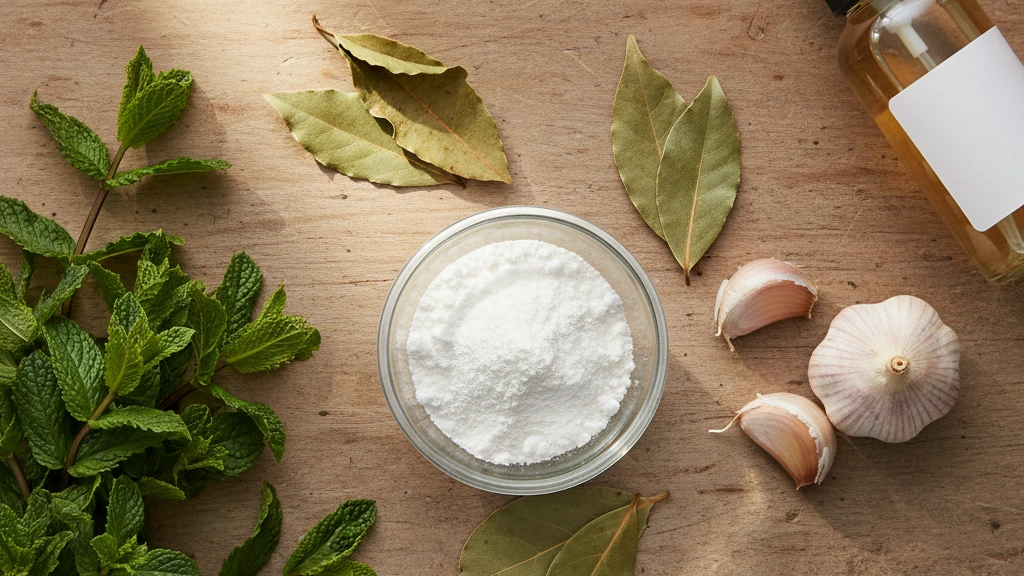
Food-grade diatomaceous earth is the safest and most effective natural killer. It contains fossilized algae with sharp edges that slice through insect exoskeletons.
Application method: Dust the powder in areas where cockroaches hide—behind appliances, under sinks, inside cabinet cracks, and along baseboards. Reapply every two weeks or after moisture exposure, as dampness reduces effectiveness.
One major advantage: cockroaches cannot develop resistance because the mechanism is physical, not chemical. You can use it indefinitely without losing potency.
For best results, apply thin, even layers. Thick piles of powder make it easy for roaches to avoid. A single light coating across surfaces is more effective than concentrated dumps.
- Food-grade quality: Safe for pets and children when used as directed
- Long-lasting: Remains effective for months until disturbed
- No smell: Odorless application in any room
- Cost-effective: A one-pound bag covers multiple applications
- Non-toxic breakdown: Eventually crumbles into harmless dust
Boric Acid and Borax Paste
This combination is extremely potent against cockroaches. Boric acid interferes with their digestive system, while borax acts as a desiccant and neurotoxin.
Recipe: Mix equal parts boric acid powder and powdered sugar. Add water gradually until you achieve a thick paste consistency. The sugar attracts roaches; the boric acid kills them.
Roll the paste into small pellets about the size of a pea. Place them in areas where cockroaches forage—kitchen corners, under stoves, behind refrigerators, and near water sources.
Critical safety note: Boric acid is toxic to humans and pets if ingested. Store pellets in sealed containers labeled “poison” and keep away from children and animals. Wear gloves during preparation and application.
Replace pellets every 10-14 days. Dead roaches consume the bait, reducing available poison for others. Fresh bait maintains consistent effectiveness.
- Lethal dose: Single contact kills within 24-48 hours
- Colony impact: Dead roaches spread poison to other colony members
- Shelf-stable: Pellets remain effective for weeks
- Economical: Ingredients cost under five dollars per batch
Essential Oils as Natural Repellents
While oils rarely kill cockroaches outright, they are excellent for prevention and habitat denial. Roaches rely heavily on odor to navigate and communicate.
Peppermint oil is the most effective natural repellent. Its menthol content overwhelms the roach’s sensory organs, making treated areas feel hostile and uninviting.
Application formula: Mix 15-20 drops of peppermint oil with two cups of water in a spray bottle. Add a few drops of liquid dish soap to help the oil disperse evenly. Spray around baseboards, cabinet edges, and entry points twice weekly.
Eucalyptus, tea tree, and lavender oils provide similar benefits. Many people combine oils for a more potent scent barrier. Roaches hate the overlap of competing odors.
The downside: oils require frequent reapplication as they evaporate. They work best as a supplementary strategy alongside physical barriers like sealing cracks and removing food sources.
Concentrate oil sprays in areas where roaches enter—window sills, door frames, pipe penetrations, and gaps in baseboards. Treat once, wait 24 hours, then apply again for lasting effect.
Cucumber Peels and Garlic
Kitchen scraps can repel roaches effectively. Cucumber peels contain a compound called trans-2-hexenal, which cockroaches find repulsive.
Leave fresh cucumber peels in areas of roach activity. Replace daily as they dry out. This method is completely safe around children and pets, though less potent than other options.
Garlic works similarly. Crushed garlic cloves release sulfur compounds that roaches avoid. Place garlic pieces in cabinets, under sinks, and near suspected entry points.
Reality check: These methods alone rarely eliminate established infestations. They work best for prevention or minor problems combined with stronger interventions.
Bay Leaves as a Deterrent
Bay leaves emit a smell cockroaches dislike intensely. The laurel plant compounds confuse the roach’s chemoreceptors.
Place dried bay leaves in kitchen cabinets, pantries, and storage containers. No prep needed—just toss whole leaves directly into spaces. Replace monthly for consistent effectiveness.
This is perfectly safe even if roaches die inside food containers, though it’s wise to keep food sealed anyway. Bay leaves do not kill, only repel.
Many people combine this with other methods. A bay leaf in the pantry plus boric acid pellets under the sink plus diatomaceous earth around baseboards creates a multi-layered defense roaches cannot escape.
Catnip as a Natural Pesticide
Catnip contains nepetalactone, a compound that acts as a potent insecticide. Research shows it repels cockroaches and other pests nearly as effectively as DEET-based repellents.
Dry catnip and crumble it into affected areas. Alternatively, brew catnip tea and spray the liquid around trouble spots. The scent intensifies the repellent effect.
Bonus advantage: If you own cats, they’ll appreciate catnip placement near their areas. The dual benefit of pest control and cat enrichment makes this attractive.
Replace dry catnip every 2-3 weeks. The scent fades as the plant material ages, reducing effectiveness.
Combining Methods for Maximum Impact
The most effective DIY cockroach control uses layered defense. No single ingredient stops all roaches, but strategic combinations create an environment roaches cannot tolerate or survive.
Tier 1—Physical barriers: Seal cracks in walls, around pipes, and under baseboards with caulk. Remove water sources by fixing leaks and drying sinks before bed. Store food in airtight containers.
Tier 2—Lethal agents: Place boric acid pellets behind appliances and under cabinets where roaches hide. Dust diatomaceous earth along baseboards and around entry points.
Tier 3—Repellents: Spray peppermint oil solution weekly in high-traffic areas. Place bay leaves, catnip, and garlic in cabinets and pantries.
Tier 4—Monitoring: Set up simple sticky traps along walls and under appliances. Check them weekly. Increasing trap catches indicate growing infestation; decreasing catches show your methods work.
- Week 1-2: Apply all methods simultaneously for immediate impact
- Week 3-4: Reapply diatomaceous earth and refresh oil sprays
- Week 5-8: Continue maintenance; most infestations collapse by week six
- Month 3+: Reduce frequency; maintain prevention-level application
Safety Precautions and Storage
Natural does not always mean harmless. Boric acid and borax are toxic in quantity, requiring careful handling.
Boric acid safety: Wear nitrile gloves during preparation. Never inhale the powder—use in well-ventilated areas. Store in labeled containers away from food and children. Wash hands thoroughly after application.
Diatomaceous earth safety: Use only food-grade versions. Industrial-grade contains crystalline silica, which damages lungs. Wear a dust mask during application to avoid inhalation. Store in sealed containers in dry conditions.
Essential oil safety: Oils are potent and can irritate skin. Always dilute before spraying. Some oils are toxic to pets—research specific oils before using them in homes with animals. Keep bottles capped and out of reach.
Accidental exposure: If anyone ingests boric acid, contact poison control immediately. For skin contact, rinse thoroughly with water. For eye exposure, flush continuously for 15 minutes and seek medical attention.
When to Call a Professional
DIY methods work for light to moderate infestations. If you find roaches in multiple rooms, spot roaches during the day, or see egg casings (oothecae) frequently, you likely have a severe infestation requiring professional treatment.
Professional exterminators apply concentrated pesticides, use heat treatments, and implement exclusion strategies impossible for homeowners. They also identify harborage areas and access points you might miss.
A hybrid approach works best: hire professionals for initial treatment, then maintain with natural methods to prevent reinfestation. This costs less than ongoing professional service.
Many pest control companies offer monthly or quarterly maintenance plans. Natural ingredients handle maintenance beautifully once professionals eliminate the bulk population.
Proven Results from Real Users
Homeowners consistently report success with natural cockroach control when applied systematically. A typical timeline shows 70% reduction in activity within 2-3 weeks and near-total elimination by week 8.
One apartment dweller in Texas combined diatomaceous earth with boric acid pellets and peppermint oil spray. After six weeks, sticky traps caught zero roaches. She maintained treatment monthly to prevent reinfestation.
A Florida homeowner with a mild infestation used only bay leaves and catnip for two months with minimal success, then added boric acid pellets. Activity dropped significantly within two weeks, confirming that layered approaches outperform single methods.
Kitchen roaches in a New York apartment responded well to removing standing water, sealing cracks, and applying diatomaceous earth. No boric acid needed—environmental controls alone solved the problem.
These real examples show that results vary based on infestation severity, home construction, and consistency of application. Start aggressive, then scale back as roach activity declines.
Sustainability and Long-Term Prevention
Natural cockroach control becomes increasingly cost-effective over time. Initial setup requires effort and expense, but maintenance is cheap and simple.
Monthly costs after initial application: Diatomaceous earth ($3-5), bay leaves ($1-2), essential oils ($2-3), boric acid replacement ($2-3). Total maintenance runs under $12 monthly.
Professional extermination typically costs $100-300 per visit and requires quarterly or monthly service indefinitely. Natural methods break even after just two professional visits.
Additionally, natural approaches create no chemical residue in your home. No smell, no airborne toxins, no risk of long-term health effects. Families with allergies, asthma, or compromised immunity benefit significantly.
Roaches cannot develop immunity to diatomaceous earth, unlike their adaptation to chemical pesticides. This means your natural arsenal never loses potency, even with repeated use.
The sustainable advantage compounds: fewer chemicals in your home means healthier indoor air, safer food storage, and peace of mind your children and pets face minimal exposure to poisons.